
Anonymous Surveys
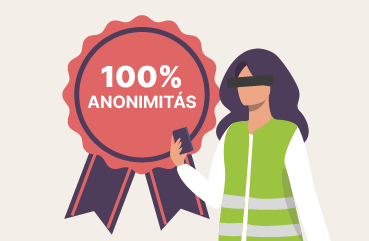
According to research, one-third to nearly half of the population is introverted. This means there are almost certainly people among your colleagues who find it hard to speak up and don't like drawing attention to themselves. While these employees don't voice their opinions openly like their extroverted colleagues do, that doesn't mean they don't have any. Everyone has an opinion, an observation, or a suggestion. It's simply that introverted people are reluctant to share theirs with others. Sometimes they worry, even without any reason, about the negative consequences of saying what they think.
Yet knowing employees' opinions and preferences on a given topic can greatly influence the quality of management decisions. It's also not uncommon for employees to make observations and offer ideas that help optimize management plans and workflows.
That's exactly why it's so important to hear opinions from employees first-hand. An effective way to do this is to make anonymous feedback possible for them.
Why is it good for the company?
- Better decisions can be made when you take into account their impact on the people affected, along with those people's opinions and feelings about them.
- You get much more representative results, since more people respond.
- You get answers that reflect reality, because under the protection of anonymity, employees answer far more honestly.
- Management learns about important employee opinions directly and in time, instead of through corridor gossip.
Why is it good for the employee?
- They can exercise their right to share their opinion even when, fearing the consequences, they wouldn't dare do so with their name attached.
- They get a say in how things unfold, so they're not just passively enduring them. This makes them more willing to embrace changes, since they feel they took part in the decision-making.
- They can freely form an opinion even on uncomfortable, difficult questions.