
CoronaHR research summary: internal communication is the biggest challenge for SMEs
Published
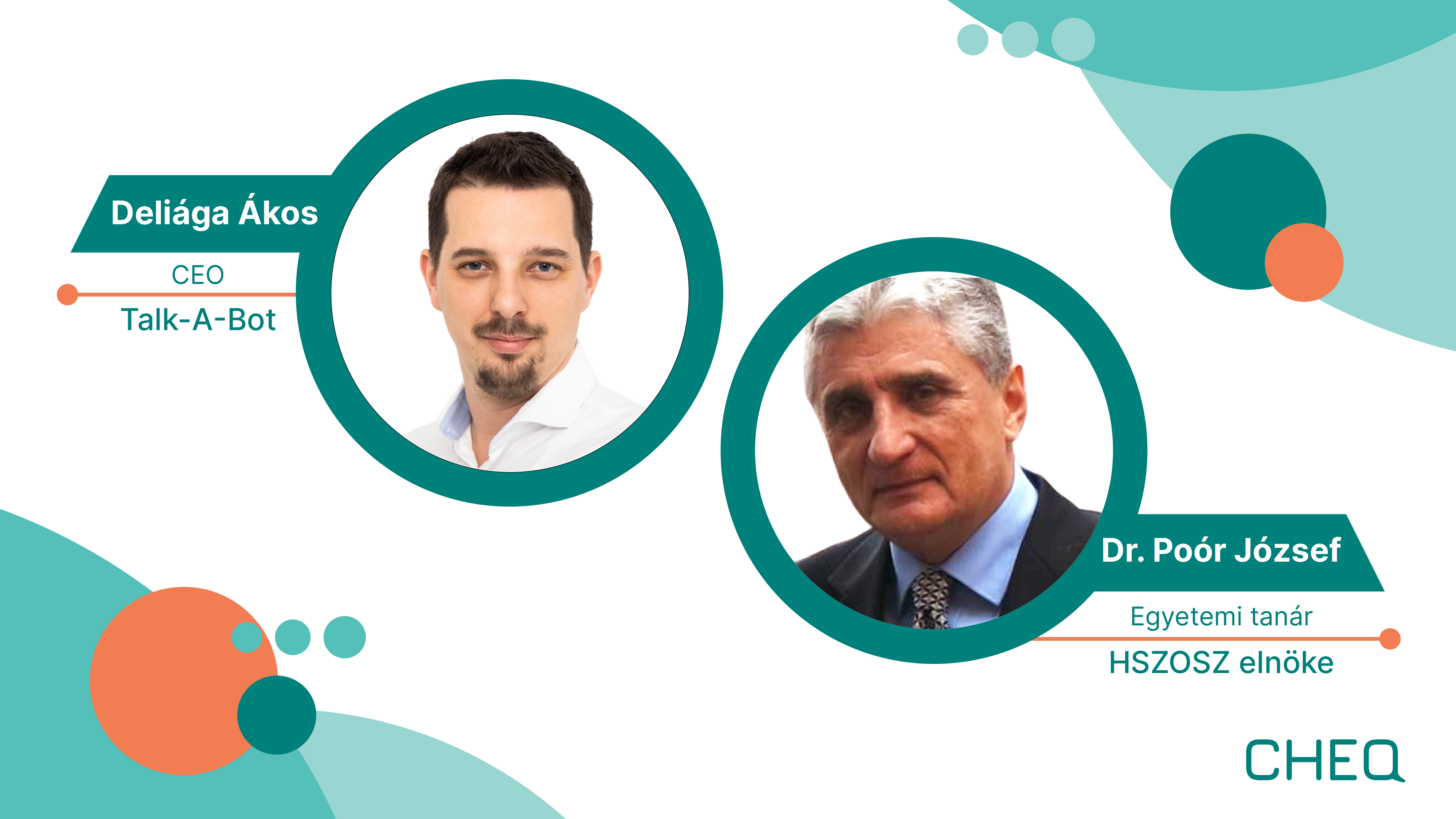
According to the CoronaHR research, the first wave of the coronavirus brought the greatest test for Hungarian companies in the areas of
- effective internal communication,
- employee information, and
- staying connected.
“As a result of the pandemic, companies have had to pay far more serious attention to internal communication than before – and developing internal communication will remain a key task for them in the future as well.”
– said Dr. József Poór, university professor and president of the National Association of HR Professionals, highlighting the findings of the CoronaHR research.
“Most employees have questions not only in unusual circumstances but in everyday situations as well: What happened, what is going on? What does the current situation mean for the company, and what does it mean for my department? What can I expect – does the company even count on my work in the long run? We created CHEQ, our digital internal communication solution, for companies that genuinely want to answer these questions – which are often more human than professional – enabling them to deliver their messages to employees at the push of a button.”
– said Ákos Deliága, CEO of CHEQ.
A brief overview of the CoronaHR research
The CoronaHR research was carried out by three professional non-profit organisations and thirteen universities. The first phase of the research took place in June and July 2020. A total of 508 organisations (companies, institutions and non-profit organisations) took part, the vast majority of them Hungarian SMEs.
The research shows that Hungarian employers weathered the first wave of the “virus crisis” successfully – though this required intense effort on their part. The first phase of the CoronaHR research concluded with a 53-page evaluation summary, revealing which crisis-management measures were applied most frequently.
The second phase took place between 1 August and 15 November 2020, this time supported by, among others, Wolters Kluwer Hungary Kft. The resulting 57-page report presents the most important lessons of the second stage of the pandemic. Compared with the first phase, the number of respondents grew to 1,014 (companies, institutions and non-profit organisations).
The final phase of the survey took place between 1 March and 20 April 2021. Its results, together with the key conclusions of the reports on the first two phases, were summarised in a 108-page report.